Investor Mistakes: Common Errors That Cost You Money and How to Avoid Them
Most people lose money not because the market is too risky, but because they make the same investor mistakes over and over. Investor mistakes, repeated behaviors that reduce returns through poor timing, hidden costs, or emotional decisions. Also known as behavioral investing errors, these aren’t about lack of knowledge—they’re about what you do when you’re tired, scared, or overwhelmed. You don’t need to be a genius to win. You just need to stop doing the things that silently eat your gains.
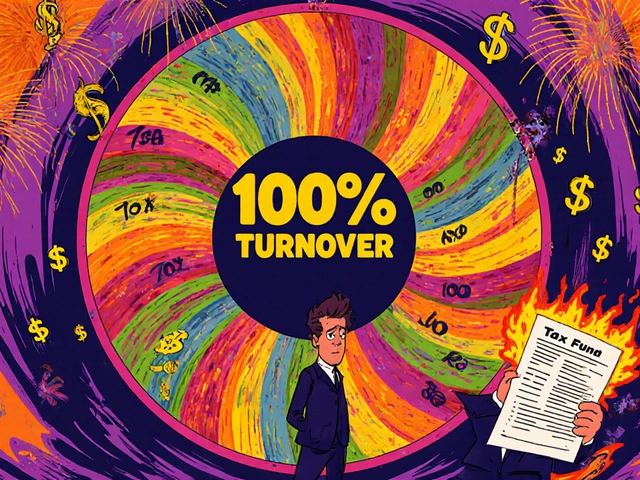
One of the biggest mistakes? Ignoring fee transparency, how clearly investment costs are disclosed so you know exactly what you’re paying. Many funds hide fees in fine print—expense ratios, transaction costs, advisor commissions—that add up to 1-3% a year. Over 30 years, that’s not a small detail. That’s half your money gone. Another trap? Fund turnover, how often a fund buys and sells assets, driving up taxes and fees. High turnover means more capital gains taxes, even if you didn’t sell anything. ETFs usually win here because they trade less. And then there’s portfolio rebalancing, the process of adjusting your asset mix back to target weights to control risk. Most people forget this. Their portfolio drifts—stocks surge, bonds lag—and suddenly they’re way too risky without realizing it. Rebalancing with dividends or new cash? That’s how smart investors do it without paying taxes or fees.
Then there’s risk limits, pre-set boundaries on how much you’re willing to lose in a day, week, or overall. Traders use these to avoid blowing up accounts. Regular investors should too. If you don’t have a max drawdown rule, you’re gambling, not investing. These aren’t fancy tricks. They’re basic guardrails. The posts below show you exactly how to spot these mistakes in your own portfolio—whether you’re using a robo-advisor, managing DRIPs, or holding Treasury bonds. You’ll find real examples of what went wrong, how it cost people money, and how to fix it without overcomplicating things. No fluff. No jargon. Just what actually works.