Idempotency Keys: What They Are and Why They Matter in Finance Tech
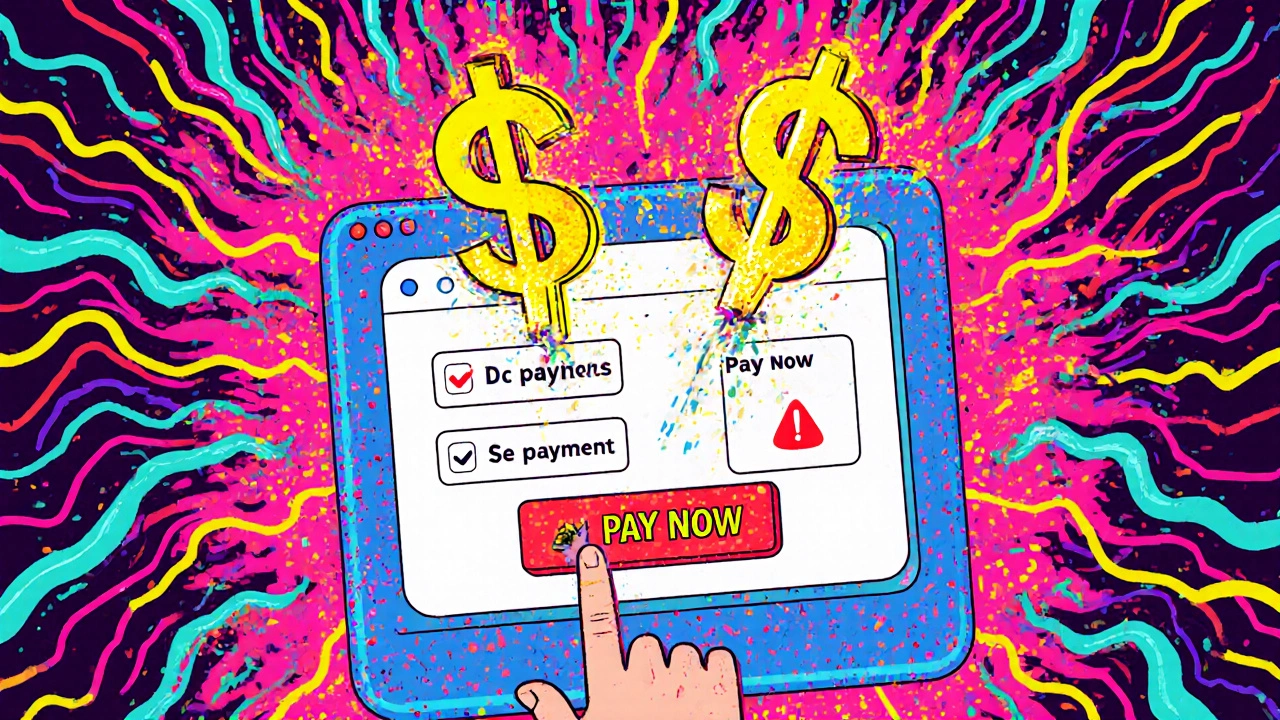
When you click "Pay Now" and nothing happens right away, you might wonder if it worked—so you click again. That’s where idempotency keys, unique tokens that ensure a request is processed only once, even if sent multiple times. Also known as idempotent tokens, they’re the quiet guardians behind every seamless payment, transfer, or trade in modern finance apps. Without them, your $500 stock buy could turn into $1,500. And yes, this isn’t theoretical—it’s happened to real people using apps that didn’t handle retries properly.
Idempotency keys work by tying each action to a unique string—like a digital fingerprint—generated when you initiate a transaction. If the system gets the same key again, it doesn’t repeat the action. It just returns the original result. This is critical in fintech APIs, the backend connections that let apps talk to banks, brokers, and payment processors. Platforms like Stripe, Plaid, and Robinhood rely on them to handle network hiccups, slow responses, or accidental double-clicks without creating chaos. These keys also help with duplicate transactions, the costly and frustrating errors that can occur when systems don’t know if a request was already processed. Imagine your dividend payout showing up twice, or your IRA contribution being counted twice. That’s not just a glitch—it’s a tax headache.
It’s not just about money. Idempotency keys build trust. When you see "Transaction successful" after a delay, you need to know it’s true—not just a placeholder message hiding a hidden retry. That’s why top fintech startups treat these keys like security features, not optional extras. They’re baked into payment systems, the infrastructure that moves money between accounts, apps, and institutions because failure here means lost customers, regulatory scrutiny, or worse—legal liability. Even if you’re not a developer, understanding this concept helps you ask the right questions: Does your broker confirm transactions only once? Does your app log retries? If you’ve ever been charged twice for the same trade, you’ve felt the cost of missing idempotency.
The posts below show how this idea connects to real-world finance tools—from how robo-advisors handle recurring investments to how APIs behind cash management accounts avoid double-deposits. You’ll find real examples of how these keys protect your money behind the scenes, and why some platforms get it right while others still risk your trust.