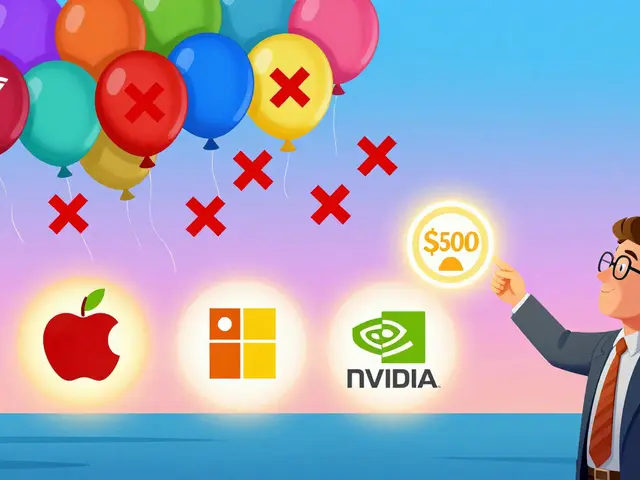
Direct Indexing Minimums: Who Qualifies and Why
Direct indexing offers tax savings and customization for investors with $100,000+ in taxable accounts. Learn who qualifies, why minimums are high, and whether it’s worth the cost.
4 CommentsWhen you hear separately managed accounts, a personalized investment vehicle where your portfolio is built and managed just for you, not pooled with others. Also known as SMA, it's how high-net-worth individuals and institutions get direct ownership of stocks and bonds—without the middleman of mutual funds. Unlike mutual funds or ETFs, where you own a share of a big basket, a separately managed account puts actual securities in your name. That means you know exactly what you own, when trades happen, and how taxes are handled. No more surprise capital gains distributions at year-end.
These accounts are typically run by financial advisors, professionals who manage investments on your behalf, often with custom strategies, and require a minimum investment—usually $100,000 or more. But they’re not just for the ultra-rich. Some platforms now offer SMA-like features at lower thresholds, blending institutional tools with retail access. The real advantage? Control. You can exclude certain industries, align with your values, or target specific tax outcomes. And because you own the underlying assets, you can harvest losses to offset gains—a luxury mutual fund investors don’t get.
Related to this are portfolio management, the ongoing process of selecting, monitoring, and adjusting investments to meet financial goals, and wealth management, a broader approach that includes estate planning, tax strategy, and retirement income planning alongside investing. Separately managed accounts sit at the intersection of these. They’re not just about picking stocks—they’re about structuring your entire financial life with precision. If you’ve ever wondered why your mutual fund held a stock you didn’t want, or why you owed taxes on a gain you never cashed out, SMAs fix that.
What you’ll find in the posts below are real-world breakdowns of how fees are disclosed, how advisors use SMA tools to reduce risk, and how modern investors are combining these accounts with robo-advisors and tax strategies to build smarter portfolios. You’ll see how transparency in fees stops predatory practices, how rebalancing works with dividends, and why some investors choose SMAs over target-date funds or hybrid advisors. This isn’t theory. It’s what people are actually doing to take back control of their money—and finally sleep better at night.

Direct indexing offers tax savings and customization for investors with $100,000+ in taxable accounts. Learn who qualifies, why minimums are high, and whether it’s worth the cost.
4 Comments