Low Minimum Investment: Start Investing with Little to No Cash
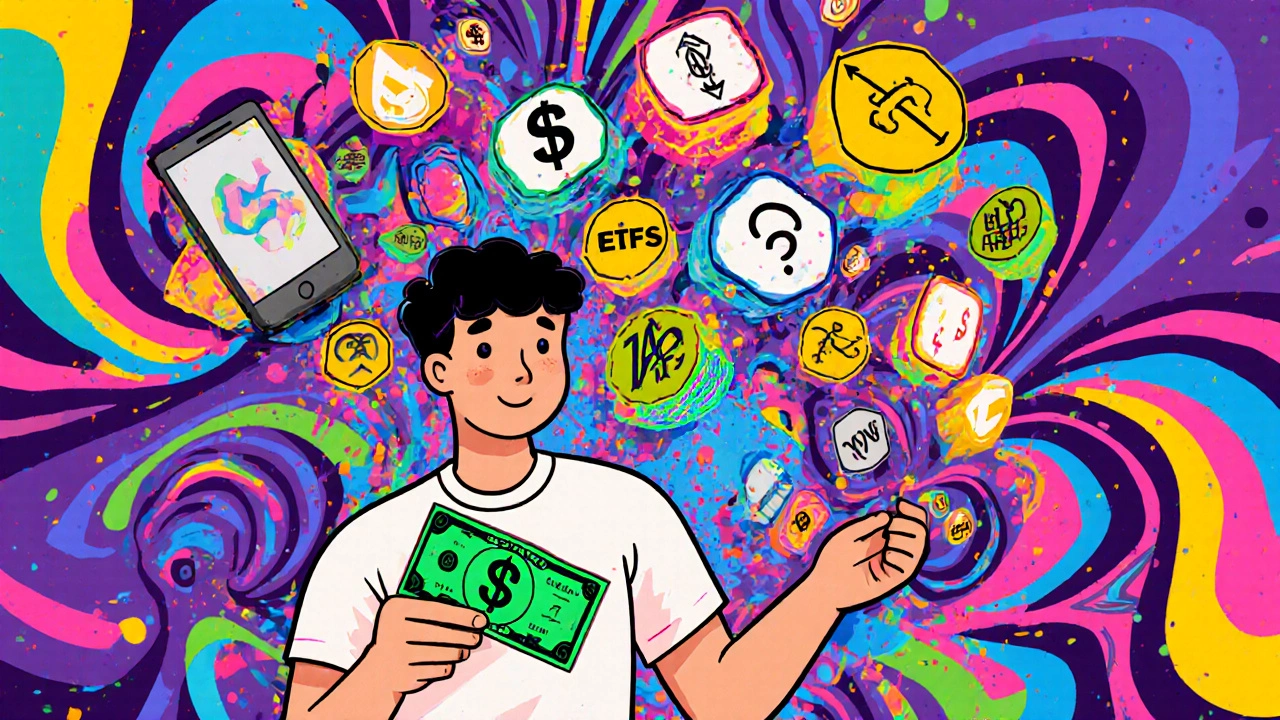
When you hear low minimum investment, the smallest amount of money needed to open or contribute to an investment account. Also known as micro-investing, it’s the gateway for people who’ve been told they need $5,000 or $10,000 to get started—when that’s simply not true anymore. The idea that you need a big pile of cash to begin investing is a relic from the 1990s. Today, you can open a brokerage account with $1, buy fractional shares of Apple or Tesla, and set up automatic deposits of $5 a week. This isn’t a gimmick—it’s how real people build real wealth without waiting for a bonus or inheritance.
What makes low minimum investment powerful isn’t just the dollar amount—it’s what it unlocks. It removes the psychological barrier of feeling behind. You don’t have to wait until you’ve saved $10,000 to start. You start now, with what you have. And when you pair that with automated investing, you turn small, consistent actions into big results over time. Apps like Acorns, Robinhood, and even platforms like Fidelity and Charles Schwab now let you invest spare change or set up recurring buys with no minimum. Meanwhile, no minimum brokerage accounts have become the norm, not the exception. You’re not just getting access—you’re getting control.
But here’s what most people miss: low minimums aren’t just about affordability. They’re about behavior. When you can invest $10 without stress, you’re more likely to stick with it. You learn how markets move, how fees eat into returns, and how compound growth actually works—without risking your rent money. That’s why the posts below cover everything from how to pick the right platform when you’re starting with $50, to how dividend reinvestment plans (DRIPs) let you grow slowly but surely, to why some brokers hide fees behind the scenes even when they claim "no minimum." You’ll also find real comparisons between broker DRIPs and company DRIPs, how hybrid advisors work for people with $50K or less, and how to use cash flows like dividends to rebalance without selling anything. This isn’t about getting rich quick. It’s about building a habit that lasts decades, starting today—with whatever you’ve got.