Roth Conversion: How to Turn Traditional IRA Money into Tax-Free Retirement Income
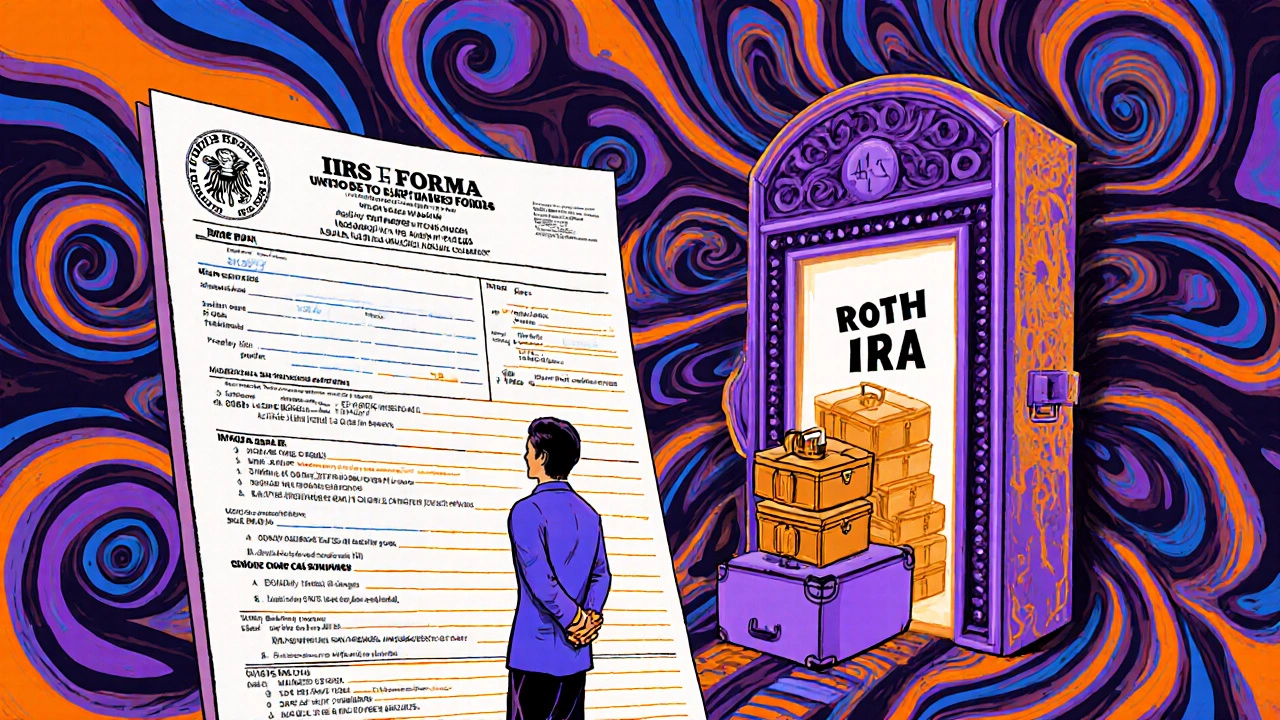
When you do a Roth conversion, the process of moving money from a traditional IRA to a Roth IRA and paying income tax on the amount transferred. Also known as a Roth IRA conversion, it’s not a trick—it’s a strategic tax move that lets you lock in today’s tax rates and let future growth escape taxes forever. Most people think Roth IRAs are only for young earners, but the real power of a Roth conversion shows up later, when you’re close to retirement and want to avoid big RMDs or high tax bills in your 70s.
A Roth conversion works best when your income is lower than usual—maybe you’re between jobs, retired early, or had a bad market year. That’s when your tax rate might be at its lowest, and paying taxes now makes sense. It’s not just for high earners. Even someone with a $50,000 IRA can benefit if they’re in the 12% tax bracket now and expect to be in 22% later. The money you convert grows tax-free, and you never have to take required minimum distributions. That’s huge if you don’t need the cash and want to leave more to your kids. Related to this are traditional IRA, a retirement account where contributions may be tax-deductible but withdrawals are fully taxed, and Roth IRA, a retirement account funded with after-tax dollars that allows tax-free withdrawals in retirement. The difference between them isn’t just paperwork—it’s decades of compounding without the IRS taking a cut.
People often confuse Roth conversions with the backdoor Roth, a strategy used by high earners to contribute to a Roth IRA indirectly by first contributing to a traditional IRA and then converting it. That’s a different path, but it ends in the same place: tax-free growth. Both rely on the same core idea: pay taxes now, save more later. But there are pitfalls. Converting too much in one year can push you into a higher tax bracket. You can’t undo a conversion after 2017, so timing matters. And if you have other pre-tax IRA money, the IRS’s pro-rata rule can make part of your conversion taxable even if you thought you were only converting after-tax dollars.
The posts below cover real cases: how people used Roth conversions to reduce future taxes, how to time them around retirement income, what happens when you convert during a market dip, and why some financial advisors still push traditional IRAs even when a Roth makes more sense. You’ll find clear breakdowns of the tax math, tools to estimate your savings, and warnings about hidden traps. No jargon. No fluff. Just what works when you’re trying to keep more of your retirement money.